

When we think of nations, we think of the Russian nation, the Chinese nation, the German Nation, etc.; we rarely think of ourselves (America’s Black Population) as a nation. But if we look at the definition, we do constitute a nation. A nation is a group of people with a common language, geography, economic life, culture, and historical background. We do have a common language in the black English dialect (or AVEE/Ebonics), we are overwhelmingly situated within the deep south (Louisiana, Mississippi, Georgia, Alabama, South Carolina), the development of capitalism has caused greater economic cohesion, and interaction of black America economically with itself while black culture is and historically been a force in general American “Culture.” The most significant examples are Hip-Hop culture (a subculture of the larger black culture) and the black protestant church.
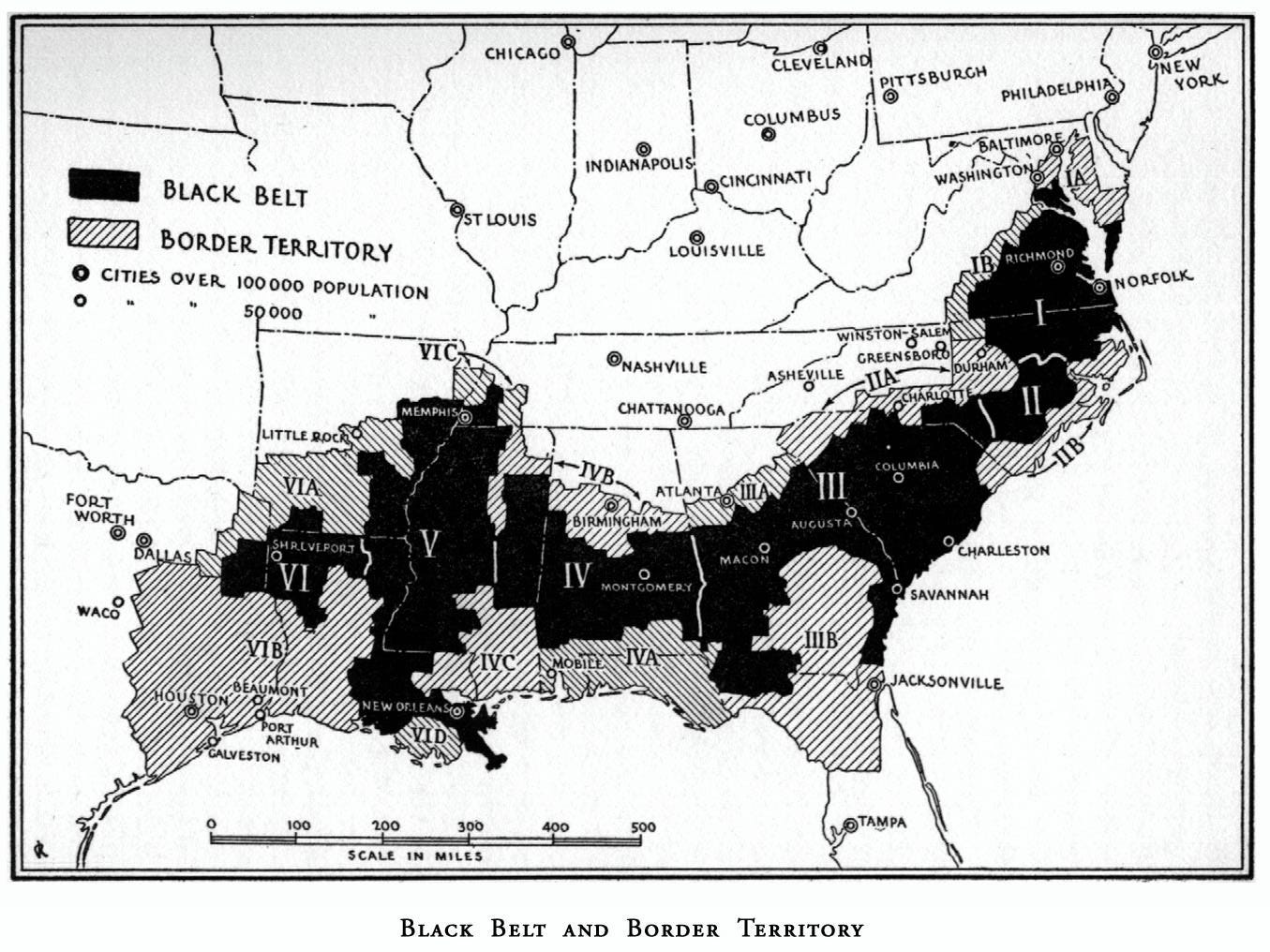
It might be said that we are already a part of a Nation, the American nation. To an extent, that is true, but there are fundamental things that keep us separated. The key one is the historical and material disconnect between the captive Black nation and the dominant WASP (White, Anglo-Saxon, Protestant) nation. The historical disconnect is apparent. This country’s heroes and villains are not our own. George Washington, Thomas Jefferson, and the rest of the founding fathers were enslavers. We did not benefit from the extermination of the indigenous people and stealing of their land as European settlers. The entire history of the Black population of this country has been of chattel slavery, state-based slavery, Lynchings, racial massacres, and hyper-exploitation by this country’s capitalist class. Anyone with any brain matter can see that the historical experiences of this country’s black population are fundamentally different from those of its white population. These differences in our historical experience are one of the fundamental building blocks of a nation.
The material disconnect that the black nation has with this country is as clear as apparent. One needs to look at incarceration rates, wealth inequality, and the class makeup of the black population. The black nation, being a subject nation of the WASP nation, is mainly working class. The bourgeoisie of the black nation is much weaker than that of the WASP one. The top black 10 percent is 60,000 dollars while the white 10 percent is over 100,000 dollars (3). The economic life of blacks in this country is evidently fundamentally different, but so is the economic history. During the creation of the New Deal, black America was sidelined in many of the programs offered (4). The most important being the Federal Housing Authority preventing blacks from buying houses in developing housing divisions. The development of the American suburbs, with the help of New Deal Dollars, essentially built the wealth of the white middle class.
We should not think of ourselves as a race that experiences racism, but we should think of ourselves as a captive nation that is experiencing colonial oppression. Our nation is formed from our shared culture and historical and material experiences, like all nations. We should fight for the freeing of our captive nation and black liberation instead of trying to gain a larger chunk of a dying country. The last six decades of trying to integrate with this country have given us nothing but confusion about what our history, interests, and conditions are. We must go, as activists and lovers of black people, work toward greater black autonomy and sovereignty rather than any reform. Seeking black sovereignty is the only way for our nation to see genuine change.
References:
(1) https://www.blackpast.org/special-features/racial-violence-united-states-1660/
(2) https://www.blackpast.org/special-features/lynchings-united-states-1865/
(3) Slavery By Another Name by Douglas A. Blackmon
(4) Racial Economic Inequality - Inequality.org
(5) https://www.digitalhistory.uh.edu/disp_textbook.cfm?smtID=2&psid=344