

Weak Contemporary Position of the Black Bourgeoisie
The black voting cult is a response to a chronic position of weakness that the black upper and middle class possesses within American society. To avoid slipping back into the position of complete nothingness it occupied from post-Reconstruction until the Civil Rights movement, the black bourgeoisie has heavily depended on mobilizing the black working class (the black 70%) in elections. This mobilization supported international white finance capital and the professional managerial class that dominates the Democratic Party. In exchange for mobilizing the black population for elections, the black upper class has gained some prestige within majority-black regions, expanded influence within the federal government, and increased financing for institutions that reproduce the black bourgeoisie like HBCUs.
The expanded influence has not changed the permanently weak position of the black bourgeoisie. It has as increased the dependence of the Democratic Party on them during elections but has increased their political precarity in Republican dominated regions. Integration and the corresponding rise of neo-liberalism in the 70s and 80s have grown the absolute wealth of this class and consolidated their relatively strong position among the black working class. The absolute weak political position of the black bourgeoisie is apparent if we look at the Democratic Party as a coalition of competing interest groups, not as a unified party in the traditional sense. The black bourgeoisie’s consolidated influence among the black masses will be discussed later.
The Democratic Party is a coalition of white professionals, liberal intellectuals, neo-conservatives/militarists, liberal and conservative black bourgeoisie/professionals, social democrats, elite white financial/monopoly interests; the black bourgeoisie and professional classes are the weakest of the coalition. Because of the absolute class position of the black Democratic Party elite, they have an ideological inclination to pursue policies in the best interest of capital. The bourgeoisie must look after the interests of fellow members of the bourgeoisie against the working class, its simple class warfare. However, due to their relatively weak racialized class position, being the unfortunate leaders of a colonized people, they are subjected to the interests of trans-Atlantic financial capital while their peculiar interest takes a secondary stand.
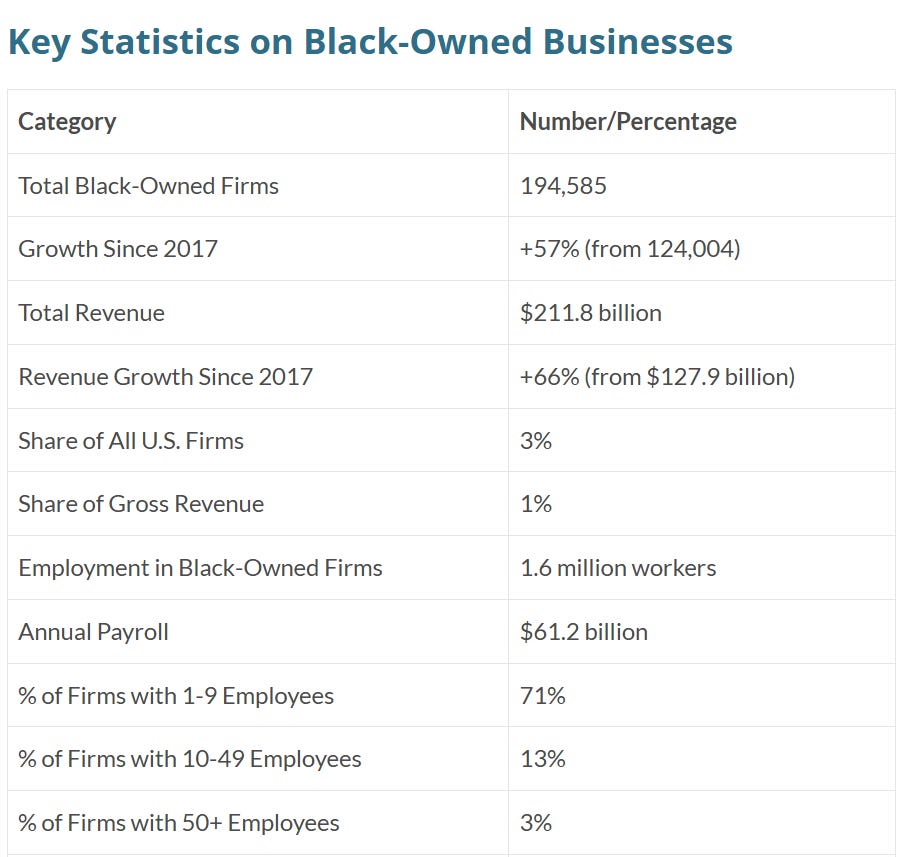
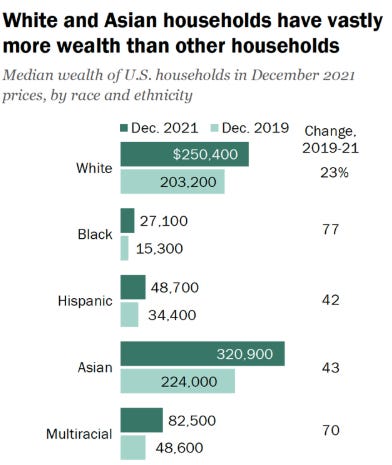
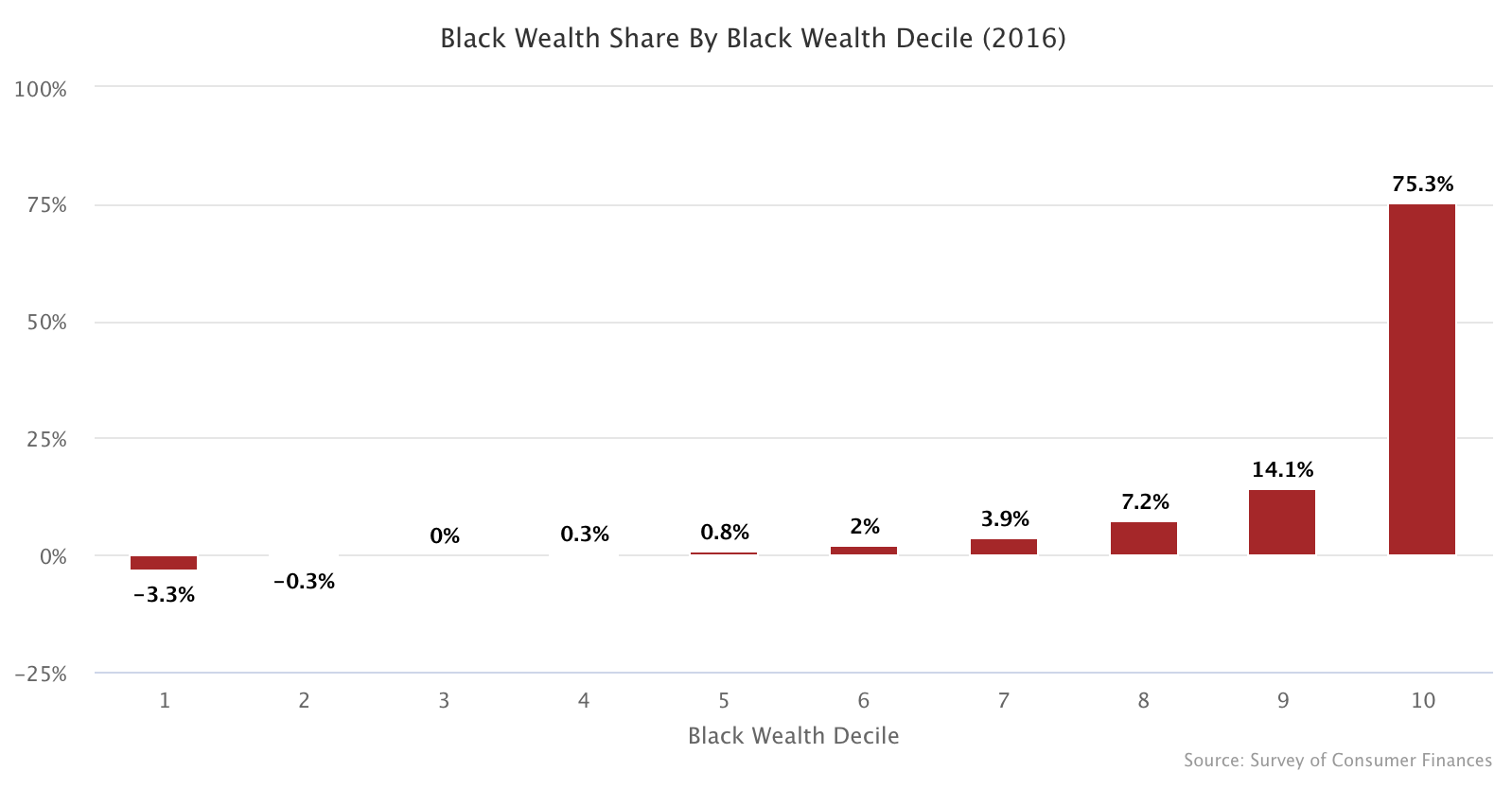
For the black bourgeoisie to have their particular interest met by the American imperial system and international capital, they must make themselves useful to its party (the Democratic Party) by mobilizing the black population in struggle against the more reactionary wing of the American bourgeoisie (the Republican Party). But, mobilizing the black population in support of the political center of the Democratic Party has become increasingly difficult as internal black wealth inequality grows and the interests of the black working class and its ruling elite become more clearly divergent. This divergence has its roots within the new political arrangement that emerged after the Civil Rights movement.
Why the Voting Cult: Historically Weak Positioning
The voting cult’s religious fervor has its origin within the Civil Rights movement and the rise of the black bourgeoisie to some semblance of political power. Isolated power-wise to the internal colony that is black America, newly emerged from chattel slavery, the black bourgeoisie became highly racialized in its development as the captive black nation suffered from a state of siege. The success of the decade-long white nationalist terror campaign during Reconstruction ended black political power across class lines. For almost 90 years, between 1870 and the 1960s, black federal political representation remained nil, including 30 years between 1870 and 1901 of no black congressional representation.
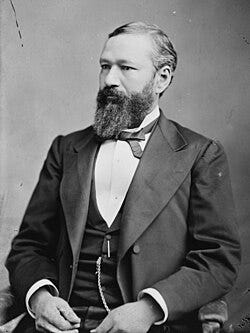
The bargain of 1877 saw the success of the white-nationalist terror campaign in it’s isolation of the black nation and the destruction of black political power. This isolated position of the black upper class was only broken during the Civil Rights movement, when the power of the black working class was effectively mobilized throughout the Deep South to break the 70-plus-year political siege of the black nation within the South. The victory of the Civil Rights movement in propelling the black bourgeoisie into the Democratic Party’s power coalition has colored its mobilizing strategy since, though the particularities of that strategy have changed significantly. Beginning with the rise of neo-liberalism within the Democratic Party during the Bill Clinton regime, the ability of the black bourgeoisie to mobilize the increasingly precarious black working and even middle classes has become more difficult.
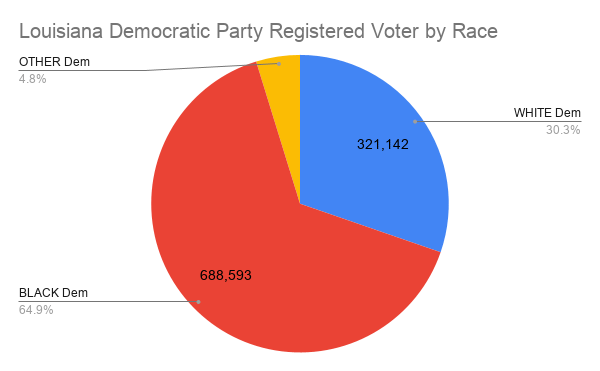
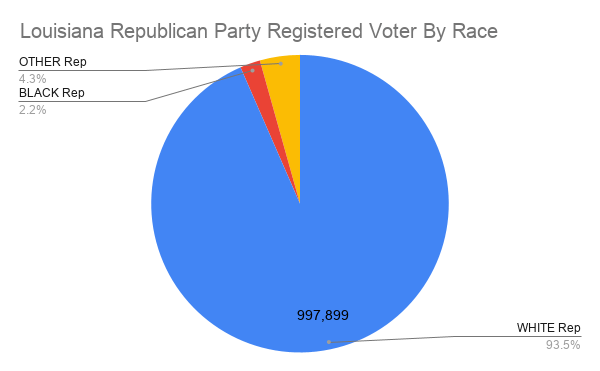
The MLK/Jessie Jackson wing of the black Democratic Party attempted mobilization through social democratic campaigns like the Poor People’s Campaign or the Rainbow Coalition. During the post-MLK period through the Bill Clinton regime, that wing has forced the center into the fringes. Since the 90s, the black Democratic Party has shifted its strategy to a neo-liberal identitarian politics, focusing on the fears of the ever-radicalizing white nationalist wing of the Republican Party and the return to a more direct colonialism (some would call fascism). This political fearmongering is also used as an excuse as to why the Democrats don’t pursue social-democratic reforms like universal healthcare, reduce/free college, free child care, etc. “We can’t have nice things because if we are seen as radical, we will never win office again”, despite all of the proposed reforms (far from radical in any rational country) being 70/30 issues in support.
Instead of pursuing policies that are of interest to the black working class, who make up an estimated 70 to 80 percent of Shreveport’s black population, they pursue policies within the interest of white monopoly-finance capital. Shreveport’s Amazon data center and the I-49 connector were widely accepted by the black business class, along with the expansion of Flock mass surveillance cameras and the carceral state. The black bourgeoisie and their support for white monopoly-finance capital policy-wise is in contradiction to their sometimes openly “anti-white” (whatever that term means), pro-black rhetoric. Some of the local black business class may even employ anti-capitalist rhetoric, such as Craig Lee (candidate for city council district B), but fundamentally look after the interests of their supposed enemies.
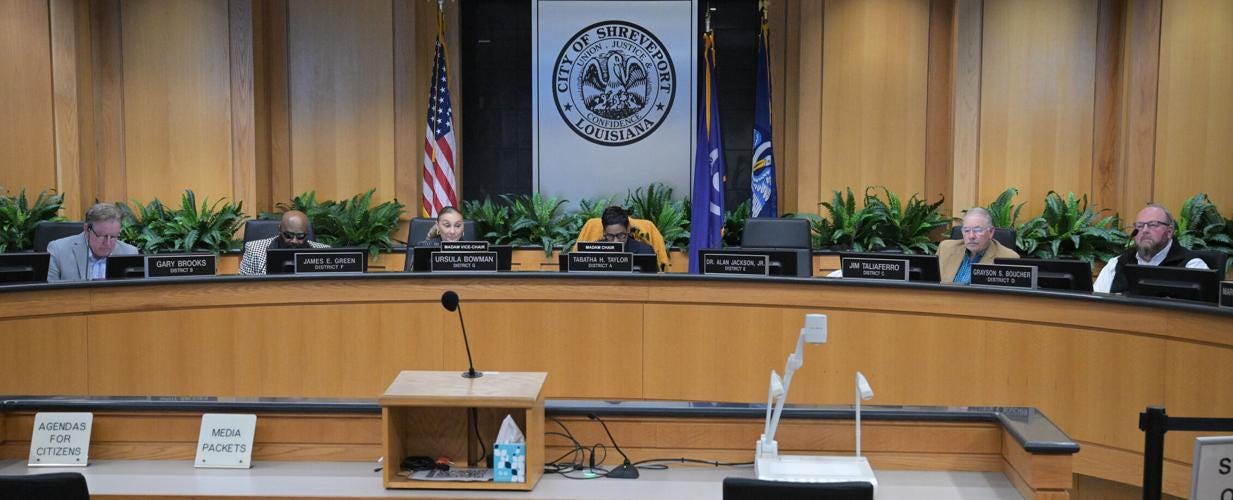
“And when they meet those who believe, they say, ‘We believe’; but when they are alone with their evil ones, they say, ‘Indeed, we are with you; we were only mockers.’” Surah Al-Baqarah 2:14
How can someone be “pro-black” yet support the interests of oligarchic white tech capital, which supports eugenics and the extermination of the black population? The contradictions are apparent to those with two eyes and two ears. The black working class are not idiots and have responded rationally when a political class does not have their interest at heart, and there is no viable alternative. The black working class has slipped into political apathy, especially during state and local elections where the use of neo-liberal identitarianism is less effective and candidates are far less charismatic. The response of the black working class, political apathy, is a rational response to a totalitarian duopoly, where small reforms have to be won with blood while reaction necessitates only a pin stroke. The effects of the Landry Regime and his undoing of John Bell Edwards’s even milquetoast reforms while governor speak to this ease.
Waning of the Shreveport Black Bourgeoisie
As of 2026, with the rise of Republican Party white nationalism and the galvanization of white liberal elements around the DSA, it seems that the black political class is bound to be the typical historical loser. John-Paul Young is expected to seize the mayoralship of Shreveport in the November 2026 elections, having the support of the white suburban liberals and Republicans dissatisfied with the Arceneaux regime. The Arceneaux regime seems to garner the support of the right wing of the black bourgeoisie and the rest of the Republican reactionaries, with stronger support from the regional business class oligarchs. The rest of the black professional class, the liberal elements of the black bourgeoisie, and some aspects of the black working class will be split between Stormy Gates and Tammy Phelps, with the rest of the candidates being largely irrelevant.
The weakening of Shreveport’s black political class contemporarily is for two reasons: one is the betrayal of the black working class, the vast majority of the internal black colony. Two, the all-too-apparent degeneracy that the black bourgeoisie has fallen into. The 2022 Shreveport mayoral campaign and the rise of the Arceneaux regime exposed the fractionalization that has become endemic to the black bourgeoisie and their inability to act as a coherent section of the regional ruling class.
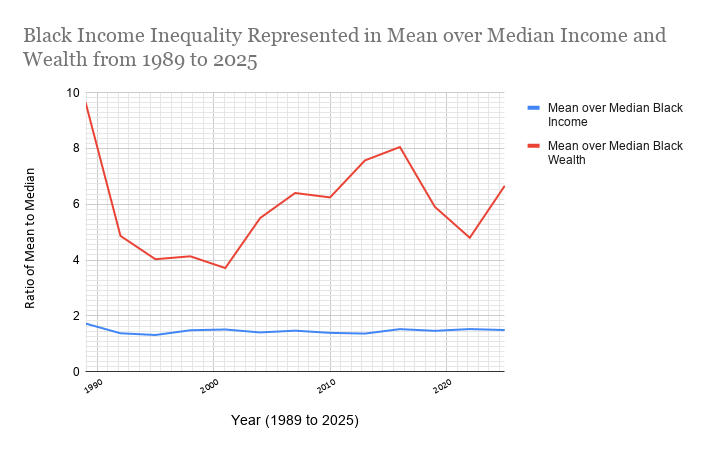
Peter Turchin, in his book “Age of Discord” and on his Substack, outlines this as elite overproduction. The black bourgeoisie, due to the real economic, educational, and administrative gains the black population has unequally made over the past 30 years, has grown in size considerably. For example, Black lawyers, the most petit-bourgeois grouping of all, have grown considerably from about 1% of all lawyers to 5% within the United States over the past few decades. Black administrative officials, non-profit heads, and college-educated professionals have all increased in the last century. This overproduction of black professionals leads to increased competition for political office, as they are its primary pursuers. The increased competition by more actors leads to an increasingly fragmented political scene where consensus and collaboration become more difficult. The results are obvious: a system in deadlock, in which the most vile creatures rise to power.
Further Reading:
The Black Bourgeoisie by E. Franklin Frazier (1957)
Important early critique of the rising black business class
The Federal Consumer Report
https://www.federalreserve.gov/consumerscommunities/shed.htm
Louisiana Voter Registration Data
https://www.sos.la.gov/elections-voting/voter-registration-statistics
Peter Turchin’s Substack
https://substack.com/@peterturchin